Canvas Rebel Interview - April, 2026
Meet Michael Jury
April 29, 2026
Meet Michael Jury
We came to furniture making through a combination of curiosity, discipline, and a lot of time in the shop. Neither of us followed a purely traditional path into the craft. Our backgrounds as musicians and in the military shaped how we approach learning—showing up consistently, paying attention to small details, and being willing to repeat something until it improves.
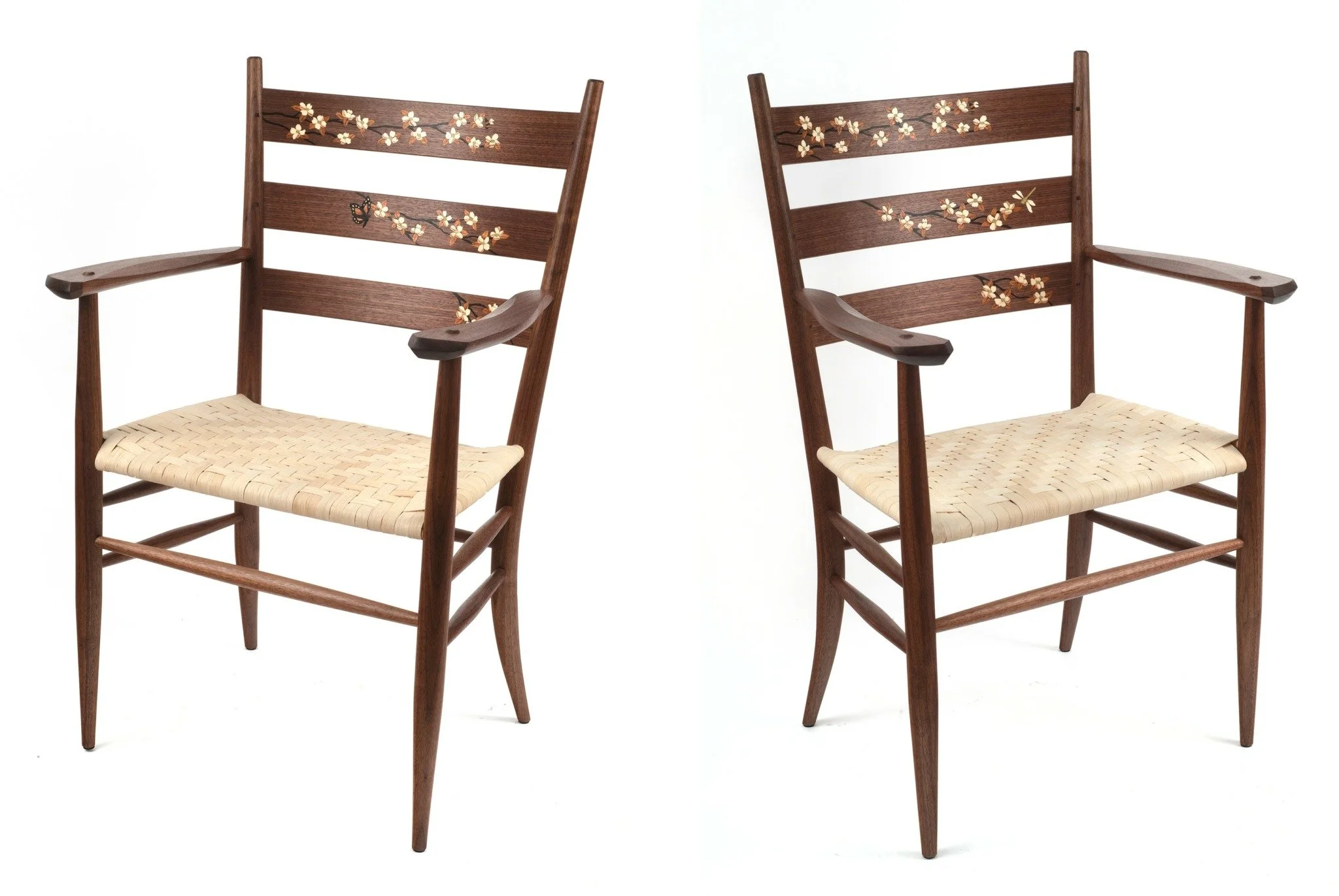
In the beginning, learning meant doing as much as possible: building, making mistakes, starting over, and gradually developing an eye for proportion and detail. We spent a lot of time studying historical work—Shaker, Japanese, and Danish furniture in particular—and trying to understand why those pieces feel so resolved. That process of observation has been just as important as the physical act of making.
Looking back, one thing that would have accelerated the process is more direct exposure to high-level work early on—spending more time seeing and handling exceptional pieces in person, and learning from experienced makers. It’s hard to develop a clear standard if you haven’t seen what “great” actually looks and feels like. Being around that level of work sharpens your judgment much faster.
The most essential skills, beyond the technical side, have been developing patience and judgment. Technical skills can be learned with time, but knowing when something is right—or when it isn’t—takes longer. That ability to step back, evaluate, and refine is what really shapes the work. Material understanding is also critical—learning how wood moves, how it responds to tools, and how to work with it rather than against it.
One of the biggest obstacles to learning more quickly is the nature of the work itself. Furniture takes time to build, so iteration is slow. You can’t make ten versions of a piece in a day and quickly compare outcomes. Each project is a significant investment of time and materials, which makes experimentation more deliberate and sometimes more difficult.